
Rainbow Yoga articles
Play, Connection and Kinder Teaching: Your Rainbow Yoga Reading Toolkit
Free kids yoga resources for teachers and families: a printable Play Audit, family activities, child voice, belonging and practical adult-language tools.
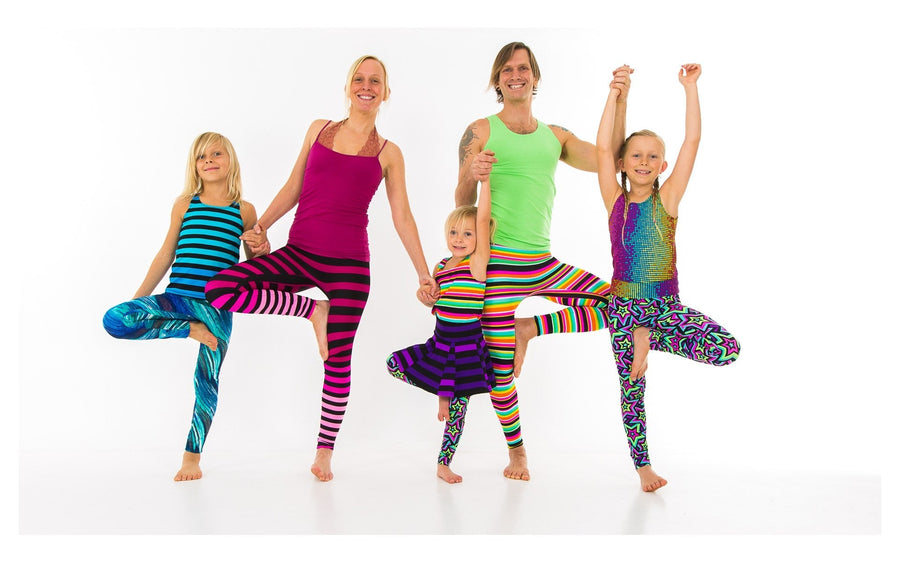
You should not need twenty open tabs to find one useful idea for tomorrow’s class. Or a postgraduate qualification in searching your own bookmarks.
Here is a way into Rainbow Yoga’s writing: start with the moment you are facing, choose one article, and take one practical idea into real life. Some pieces are new. Others deserve another outing. The common thread is movement, play, thoughtful adult practice and making room for different ways of being.
Start here: the free Play Audit
Twenty questions about time, space, belonging, choice and relationships, with children’s feedback and a one-week action sheet. Look at the conditions adults create, not for a problem child.
Download the free eight-page Play Audit
No email address or purchase required. Read the full explanation and examples. This is an independent reflection tool, not a validated assessment, certification or resource endorsed by Play Australia.
For teachers: change one condition before adding another instruction
When participation has become a struggle
What If Children Aren’t Disengaged From Learning, but From the Way We Teach It?
Look at meaning, clarity, access, challenge and belonging. This article includes a guided habitat adventure and ways to keep a learning intention clear while changing how children participate.
Try next: choose one recurring difficult moment. Change one feature, such as the number of instructions or the way children show understanding. Ask what became easier.
When you ask for ideas but the plan never changes
We Ask Children to Listen to Their Bodies. Are We Listening to Their Voices?
A decision map and five tools for genuine influence, accessible feedback and consent. Adults keep responsibility for safety; children gain more than the choice between two colours of mat.
Try next: share one decision you are genuinely willing to change. At the next session, say what you did with the answer.
When someone keeps ending up at the edge
The Child Who Does Every Pose But Still Feels Outside the Circle
An exploration of belonging, exclusion and the tiny choices that shape a class. Includes ways to rethink partner selection and make room for different participation. The article also discusses bullying and serious distress, with support information.
Try next: plan groups thoughtfully instead of launching a public partner-picking contest. Offer solo and side-by-side routes with equal warmth.
For families: an invitation, not another assignment
When you want something small to do together
Five Minutes of Family Yoga: Less Perfect Poses, More Connection
Choose, mirror, imagine, create and listen. Five flexible invitations, adaptations for teenagers, and a workshop plan for family-yoga teachers. No equipment or compulsory hugs.
Try next: let each person contribute one comfortable movement to a tiny shared sequence. Seated, standing and hands-only versions all belong. Stop or change it when needed.
When “get off your phone” is only half a plan
The Bedroom Generation: Children Need More Life, Not Just Less Screen Time
My own teenagers’ interests are part of this conversation. The article explores invitations into movement, nature, friendship and shared experiences, while recognising privacy, access barriers and useful online connections.
Try next: ask what they would like to try. Offer a small, realistic activity connected with that interest. Keep the agreed duration and leave the victory speech at home.
For the adult: the next practice may begin with us
When our instructions contradict our affirmations
Before We Teach Children Positive Self-Talk, We Should Listen to How Adults Talk to Them
Research, language swaps, repair, consent and safeguarding. The emphasis is not on perfect adults but on words and actions that children can trust.
Try next: replace “Don’t say I can’t” with “We can change it, ask for help or leave it for today.” Then make those options real.
When the person teaching calm also needs support
Peaceful Teacher, Peaceful Class
A practical menu of short pauses, clearer instructions, repair and real care requests. The title is an aspiration, not a promise that a peaceful teacher automatically produces peaceful children.
Try next: with supervision maintained, choose one clear instruction instead of five. Later, identify one practical support you need rather than prescribing yourself infinite patience.
A twenty-minute team conversation with somewhere to go
Use one article or one audit page in an existing staff meeting, study group or home-education gathering. This is a suggested discussion format, not an accredited course.
Five minutes: read a short section. Five minutes: name one ordinary situation without identifying children. Eight minutes: redesign one adult action or environmental condition. Two minutes: choose who will try it and when you will return to the children’s feedback.
Do not turn the discussion into an inventory of everything a tired teacher should do better. Separate the changes within your control from those that need staffing, funding or professional support.
A useful article should do more than win an argument in our heads. It should help us behave differently in the next ordinary moment.
Share a useful doorway
For a school newsletter or colleague, share the link that matches their situation rather than sending the entire library at once. The audit may be copied for classroom, family or team use with attribution and its cautions intact.
For article republication, translation, wider distribution or a professional-development collaboration, contact Rainbow Yoga so the text, attribution and permissions can be agreed. Photographs have separate rights; a link to an article is not permission to reproduce its images.
From reading to teaching
One practical idea may be enough for today. For a fuller approach to class planning and responsive teaching, explore the Rainbow Yoga training pathways. Start with the level and support that fit your experience rather than collecting courses because the internet became persuasive.
These are curated reading routes, not a claim that every practice suits every child. The linked articles distinguish research, interpretation and original teaching suggestions. Follow individual access needs, appropriate professional advice and local safeguarding responsibilities. Collection assembled 15 October 2026. Featured photograph: Rainbow Yoga archive.
Keep exploring
More from Kids Yoga Articles
Kids Yoga Articles
Five Minutes of Family Yoga: Less Perfect Poses, More Connection
Try five minutes of family yoga with no equipment or perfect poses: simple, inclusive games for choice, shared movement and connection, plus t...
Read articleKids Yoga Articles
What If Children Aren’t Disengaged From Learning, but From the Way We Teach It?
Rethink student disengagement through meaning, clarity, access, challenge and belonging, with practical teaching tools and a playful habitat l...
Read articleKids Yoga Articles
We Ask Children to Listen to Their Bodies. Are We Listening to Their Voices?
Practical ways to listen to children in yoga, school and family life: meaningful choices, consent, accessible feedback and decisions that genu...
Read article
Comments